Should You Rekey or Replace Your Door Locks?
Understand when rekeying makes sense, when replacement is the better choice, and what to check before changing your locks.
When keys change hands, the first question is often whether to rekey the existing locks or replace them entirely. Both options can improve control over who has access, but they solve different problems. The condition of the hardware, the type of lock, and the security goal should guide the decision.
What rekeying changes
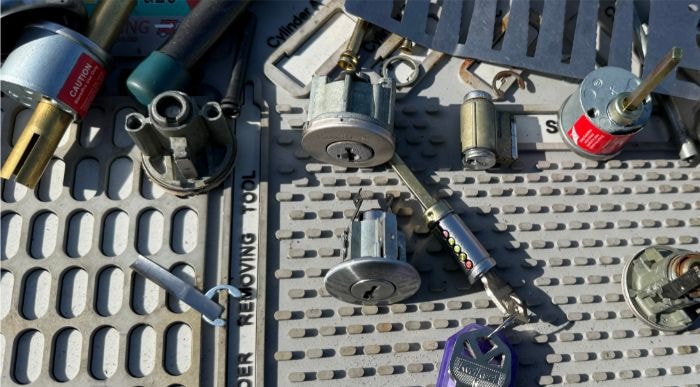
Rekeying changes the internal pin configuration of a compatible lock cylinder so the old key no longer operates it. The exterior hardware stays in place, but a new key is used after the work is complete.
This can be a practical option after moving into a home, changing tenants, recovering from a lost key, or updating access for a business. It is often appropriate when the existing lock is in good working condition and meets the security needs of the door.
When replacement is the better choice
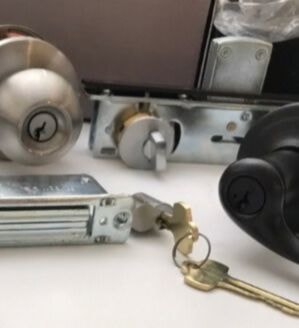
Replacement may make more sense when the lock is worn, damaged, difficult to operate, or not appropriate for the door. It can also be the right choice when you want a different hardware style, a deadbolt where one does not exist, a higher-grade commercial lock, or a system that works with a different keying plan.
A locksmith can inspect the hardware and explain whether repair, rekeying, or replacement is the most sensible path. Replacing a lock does not automatically make a door more secure if the strike plate, door frame, hinges, or installation are weak, so the full entry point matters.
Questions to ask before deciding
Start by identifying why you are changing the locks. If the concern is simply that old keys may still be in circulation, rekeying may address it. If the concern is a malfunctioning lock or a need for different hardware, replacement may be more appropriate.
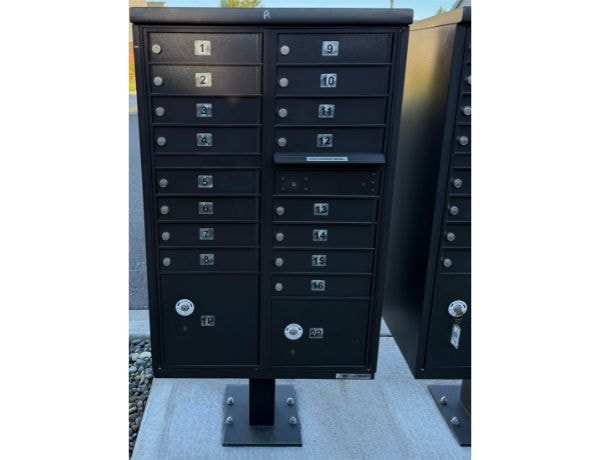
For homes, note how many exterior doors, garage entries, gates, and mailbox locks are involved. For businesses, consider employee access, tenant turnover, master-key needs, and whether all doors should operate on the same key or separate keys.
Rekeying for homes and rentals
Homeowners often rekey after a purchase, a move, or a lost key. Rental owners and property managers may rekey between occupants to restore control over access. A locksmith can identify the lock brands and cylinders already installed and explain which ones can be rekeyed.
If the home has several compatible locks, they may be able to be keyed alike so one new key operates multiple doors. That is a convenience decision as well as an access-control decision, and it should be balanced with the needs of the property.
Rekeying for businesses
Commercial properties may need a more deliberate key plan. A business can use different keys for individual doors, shared keys for selected areas, or a master-key arrangement where appropriate. The right approach depends on the building, the people who need access, and the existing hardware.
Before changing commercial locks, make a list of the doors, current key holders, and any access restrictions. That gives the locksmith a clearer picture of the work and helps avoid leaving a critical door out of the plan.
Get an assessment before buying hardware
It is tempting to buy replacement locks first, but compatibility and door preparation matter. A lock that looks right online may not fit the existing door bore, backset, latch, or commercial door prep. A quick assessment can prevent an unnecessary purchase.
Orion’s Key provides mobile lock rekeying and lock service in Vancouver and nearby Clark County communities. When you call, describe the property type, the number of doors, the lock brands if known, and the reason you are changing access. That information helps determine whether rekeying, repair, or replacement is the right conversation to have.